


01Before any production code
Discovery
We meet your team, users and regulatory advisors to agree what the product must do, who it serves and which rules apply in each market.
You getValidated scope, roadmap and compliance outline
Healthcare software development for regulated markets: DiGA apps for Germany, NHS-ready platforms for the UK, and the data and AI behind them. One team, from first prototype to listing.
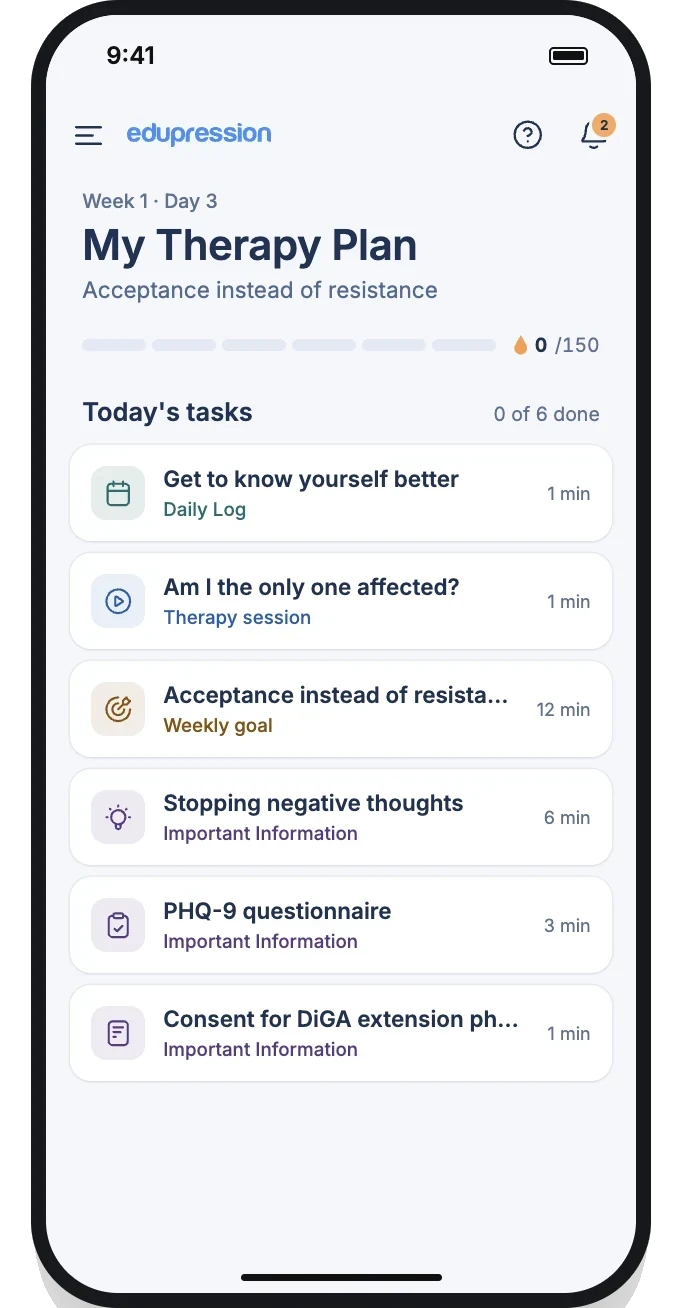
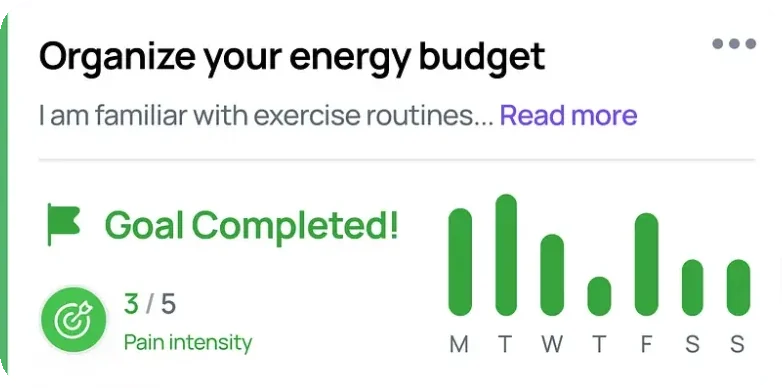
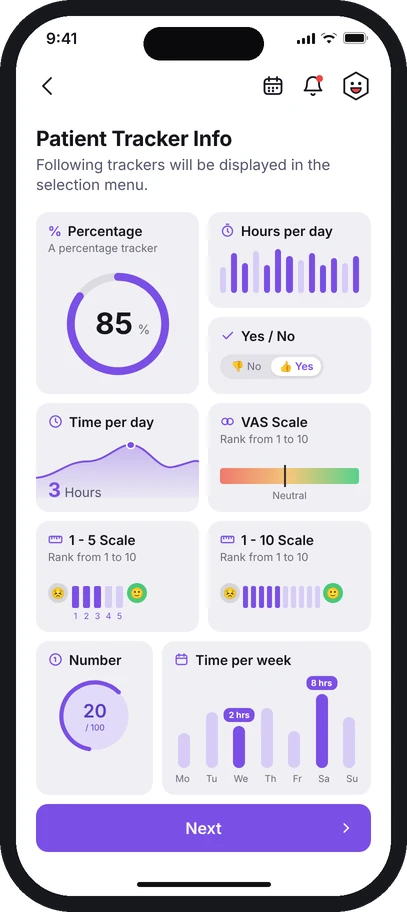
German and British buyers ask different questions before they trust software. We plan for the right ones from the first sprint, so the evidence is ready when they ask.

A DiGA is an app that doctors prescribe and statutory health insurance pays for. To be listed, you prove safety, security, data protection and a positive care effect to BfArM. We build products that meet those rules by design.

NHS organisations assess digital health suppliers against DTAC before they buy. Clinical safety, data protection, security, interoperability and usability all need evidence, and each one shapes the product itself.
Whether you are validating an idea or scaling a live product, start with the piece that fits where you are today.
Every service includes design, engineering and QA from the same team, with compliance planned in.
Research, flows and prototypes tested with patients and clinicians before production code.
See moreA focused first release for users, investors or a clinical partner, on foundations you keep.
See morePatient portals, clinician dashboards and back-office tools that are fast, accessible and secure.
See moreiOS and Android apps people open every day, including older and less confident patients.
See moreEvidence pipelines, analytics and AI features with clear limits and a person in the loop.
See moreHL7 FHIR, FHIR UK Core and integrations with clinics, insurers and research partners.
See moreA stable squad of engineers, designers and QA that works inside your roadmap for the long term.
See moreSpecialists who join your in-house team, from FHIR and security to accessibility.
See moreTake over, stabilise and update existing systems without a risky big-bang rewrite.
See moreAn independent look at architecture, security and code quality, with risks ranked by impact.
See moreRegulated digital health is our home ground. The same discipline carries into corporate software.

Prescribable therapy apps for Germany and evidence-based programmes for the UK, with clinical content tools for your medical team and security designed in.

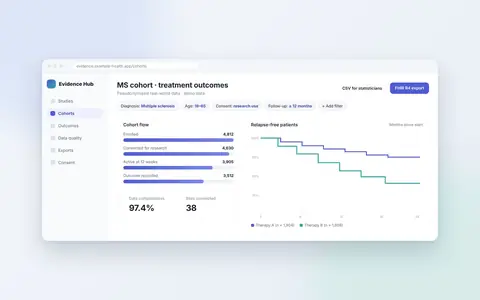
Platforms that turn everyday product use into structured evidence for studies, reimbursement and treatment decisions, with privacy built into every step.
Companion apps, device software and internal tools for product and medical teams, developed with IEC 62304 practices and documentation your quality team can use.

Internal platforms, legacy modernisation and dedicated teams for operations and IT leaders. The habits healthcare taught us make internal tools more reliable and easier to adopt.
Products in use, with results on the record.

We designed and built a CE-marked therapy app, secured it to BSI TR-03161 and supported its route to becoming an approved DiGA.

Real-world evidence tooling, a DiGA Manager for manufacturers and treatment modelling for multiple sclerosis.

A long-running engagement replacing spreadsheets and legacy tools with one platform a European company's teams use every day.
Health software has to clear strict checks before it goes live. This is the ground we cover in both markets, so the evidence exists before anyone asks for it.
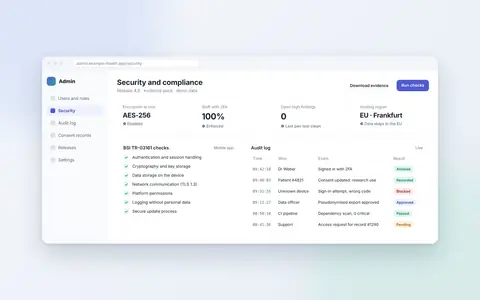

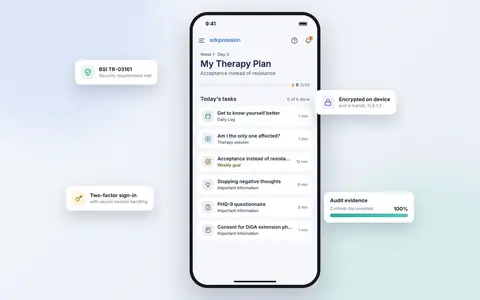

Standards we design, build and document to. Certification is granted to your product or organisation; we prepare the evidence it needs. What we deliver for each
Five stages, one team. You see working software every sprint, and the evidence auditors and NHS buyers ask for is built as we go.
We meet your team, users and regulatory advisors to agree what the product must do, who it serves and which rules apply in each market.

Flows and clickable prototypes, tested with the patients and clinicians who will use them, before anything is built for real.
Two-week sprints with a demo at the end of each one. Security and clinical safety decisions are recorded as features ship.

Automated and manual QA, security testing, and evidence prepared for testing labs, BfArM and NHS assessors.
Release, monitoring and ongoing improvement, with a clean handover to your team or a team that stays with the product.
Choose who you are comparing us with. The difference shows up where health projects usually stall.
A DiGA (Digitale Gesundheitsanwendung) is a digital health app that doctors in Germany can prescribe and statutory health insurance pays for. To be listed in the BfArM DiGA directory, the app must be a CE-marked medical device and prove safety, data protection, information security and a positive care effect. DiGA development
Building the product usually takes most of a year: Edupression, the listed DiGA we designed and built, went live 11 months after the first sprint. After that, BfArM assesses a complete application within three months, and a trial listing gives up to 12 months to prove the care effect. Edupression case study
BSI TR-03161 is the German Federal Office for Information Security's technical guideline for health apps, covering mobile apps, web apps and backends. A DiGA needs a certificate against it, so we design to its requirements from the first sprint and collect the audit evidence as we build. BSI TR-03161 explained
NHS DTAC, the Digital Technology Assessment Criteria, is how NHS organisations in England assess digital health products before buying them. It asks for evidence in five areas: clinical safety to DCB0129, data protection, technical security, interoperability, and usability and accessibility. NHS DTAC explained
A healthcare MVP is usually priced as a fixed scope after a short scope workshop, so the price is agreed before work starts. The cost depends on the platforms, integrations and the evidence your market needs; we send a written proposal with scope, team and timeline after a 30-minute call. Healthcare MVP development
Yes. DiGA and NHS DTAC ask similar questions about security, data protection and interoperability, so planning both in discovery gives one architecture, one security approach and shared evidence. Market-specific work, such as the clinical safety case or the BfArM application, is added on top. DiGA vs NHS DTAC
Share a few lines about your product. A senior engineer, not a salesperson, will reply.


